

Marie Curie
THE PIONEER OF RADIOACTIVITY
Marie Curie, born in 1867 in Warsaw, Poland (then under Russian rule), was a trailblazing physicist and chemist. Overcoming poverty, gender barriers, and political oppression, she moved to Paris in 1891 to study at the Sorbonne, where she earned degrees in physics and mathematics. Working alongside her husband Pierre Curie, she coined the term "radioactivity" and discovered the elements polonium (named for her homeland) and radium through painstaking extraction from tons of pitchblende ore. Their groundbreaking research on radioactivity earned Marie notable awards for her work in physics and chemistry.
Curie's dedication to science and her relentless pursuit of knowledge not only advanced the field of physics but also paved the way for women in science, leaving an indelible legacy. She founded mobile X-ray units ("Little Curies") during World War I to treat wounded soldiers, directed the Radium Institute (now Institut Curie), and mentored future generations despite the personal toll of radiation exposure, which ultimately caused her death from aplastic anemia in 1934. Her life embodies perseverance, intellectual courage, and humanitarian impact, inspiring countless scientists and breaking barriers that continue to open doors for women in STEM worldwide.
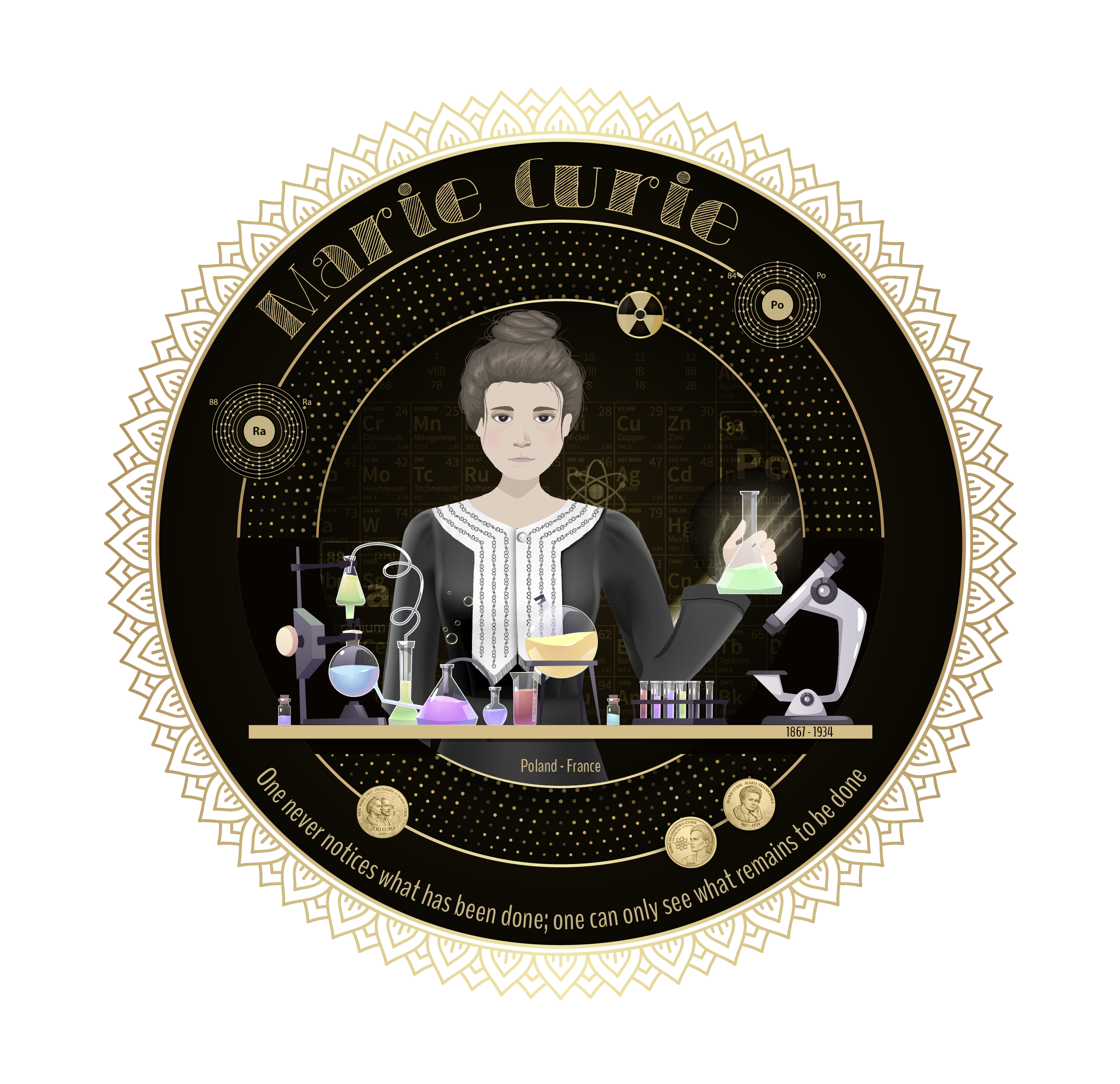
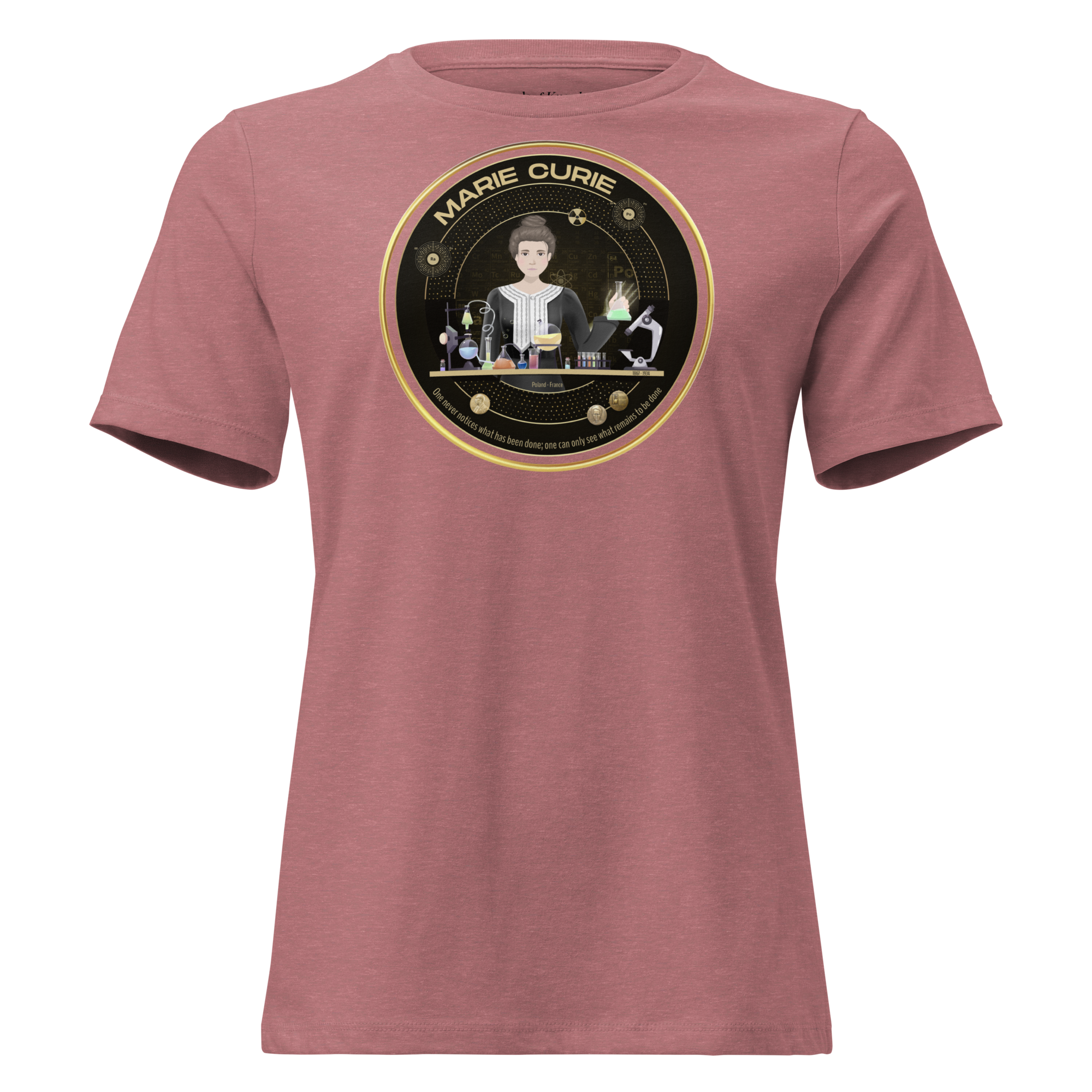
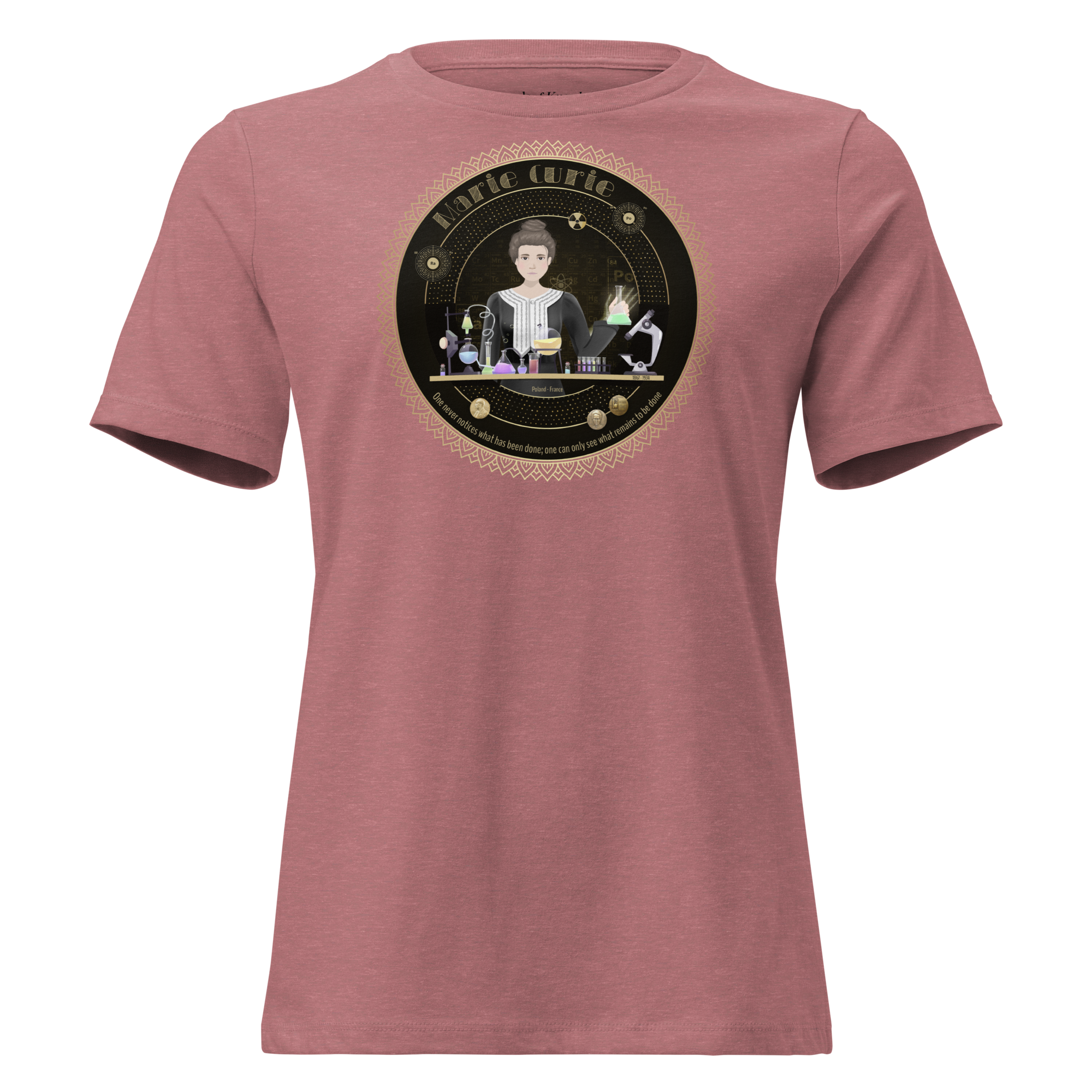
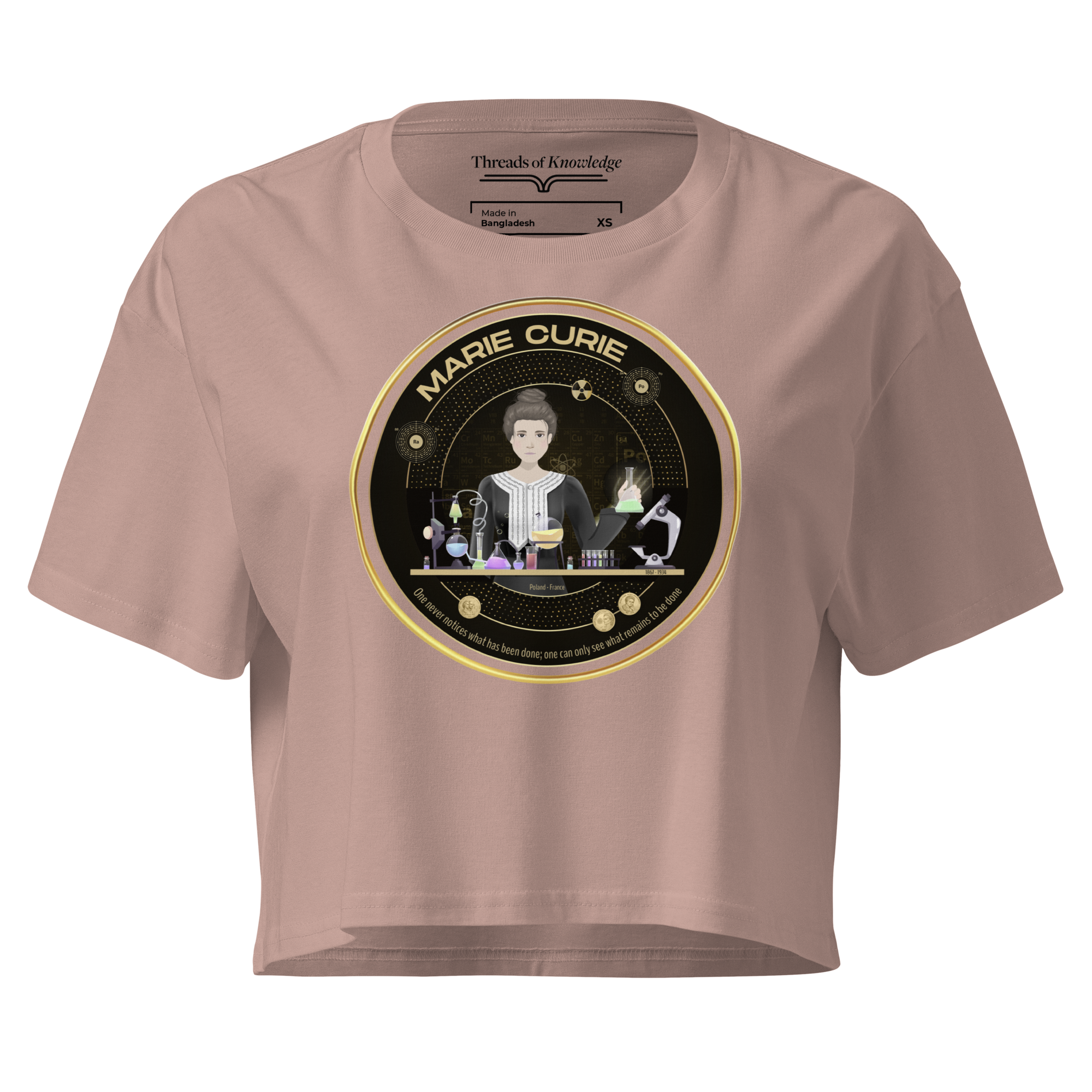
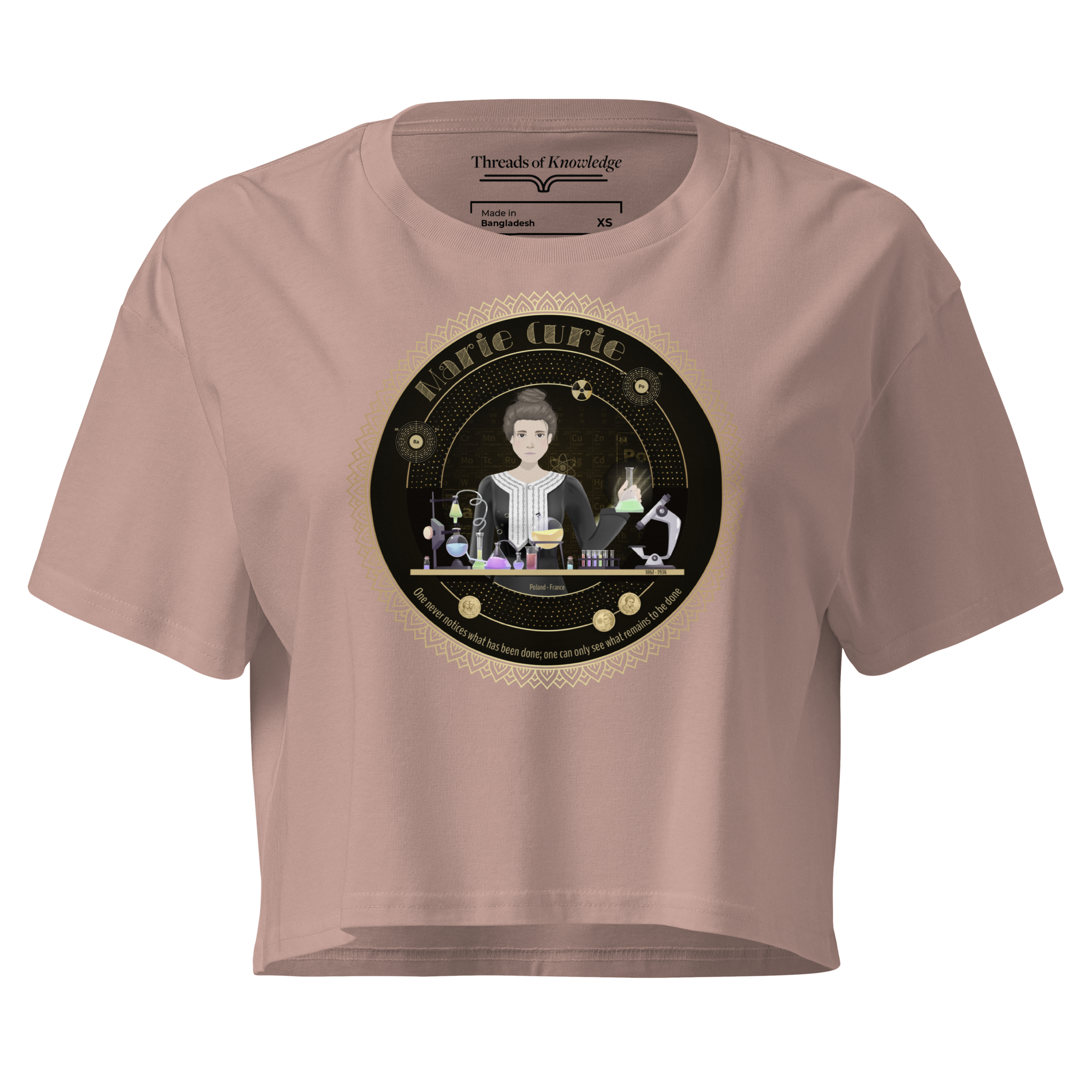
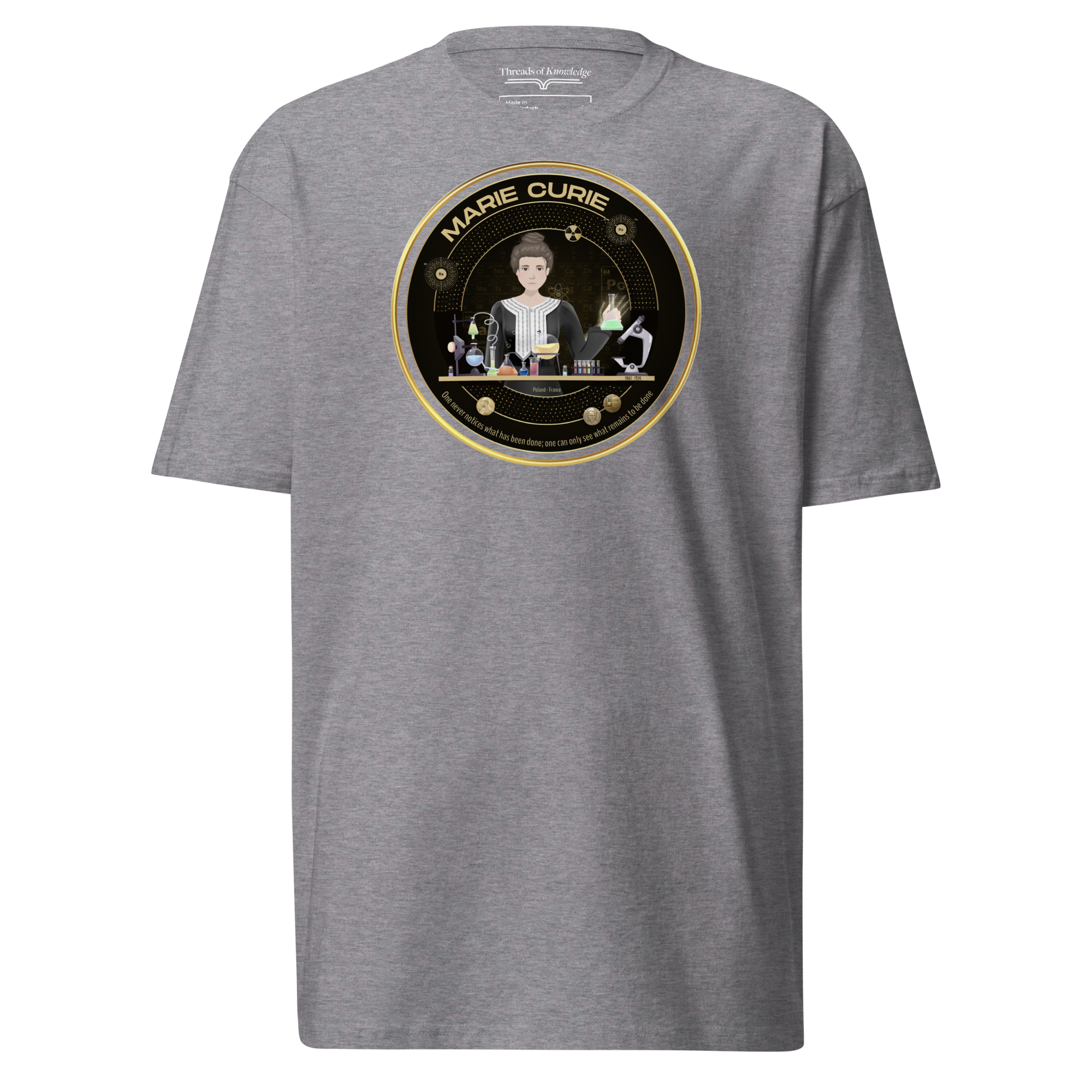
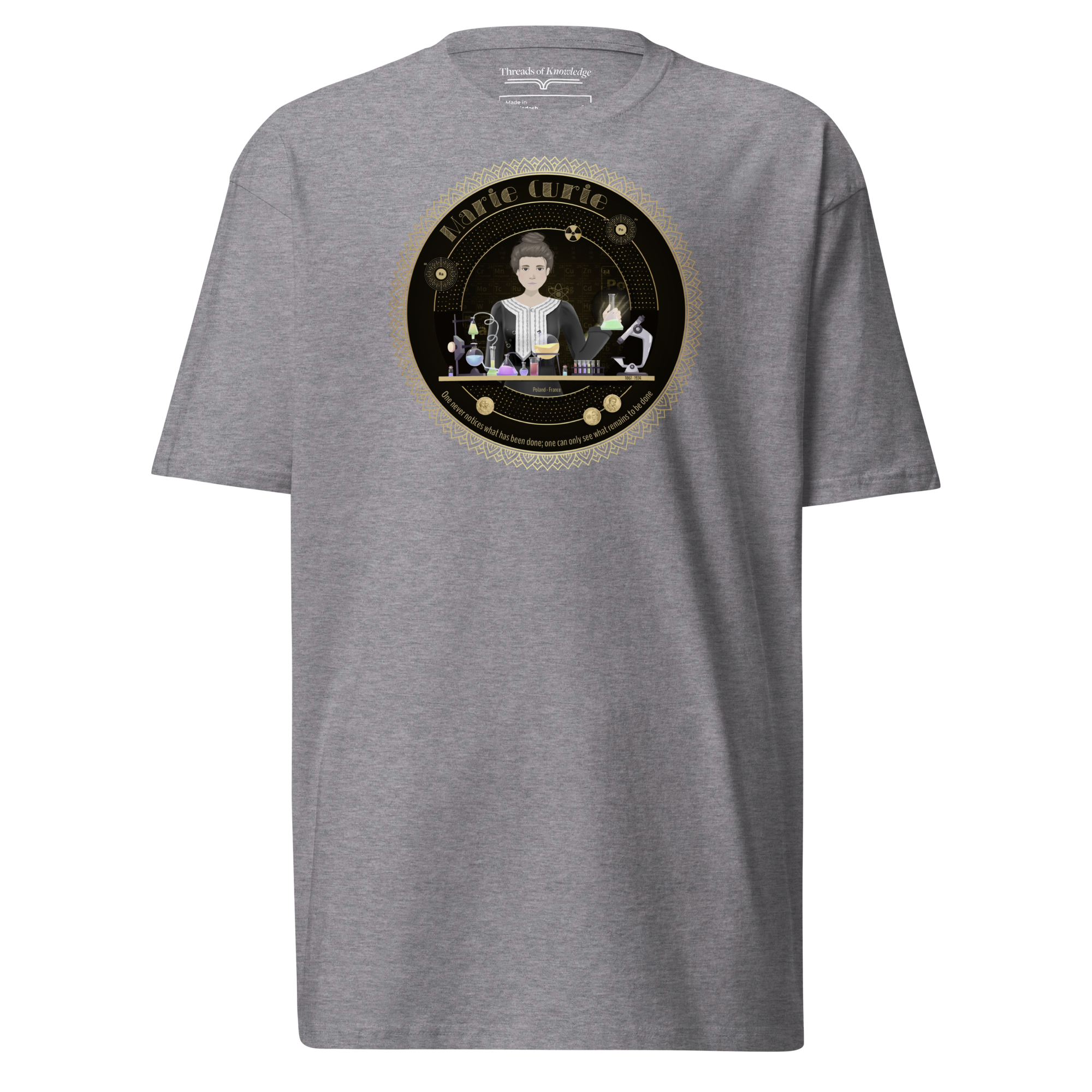
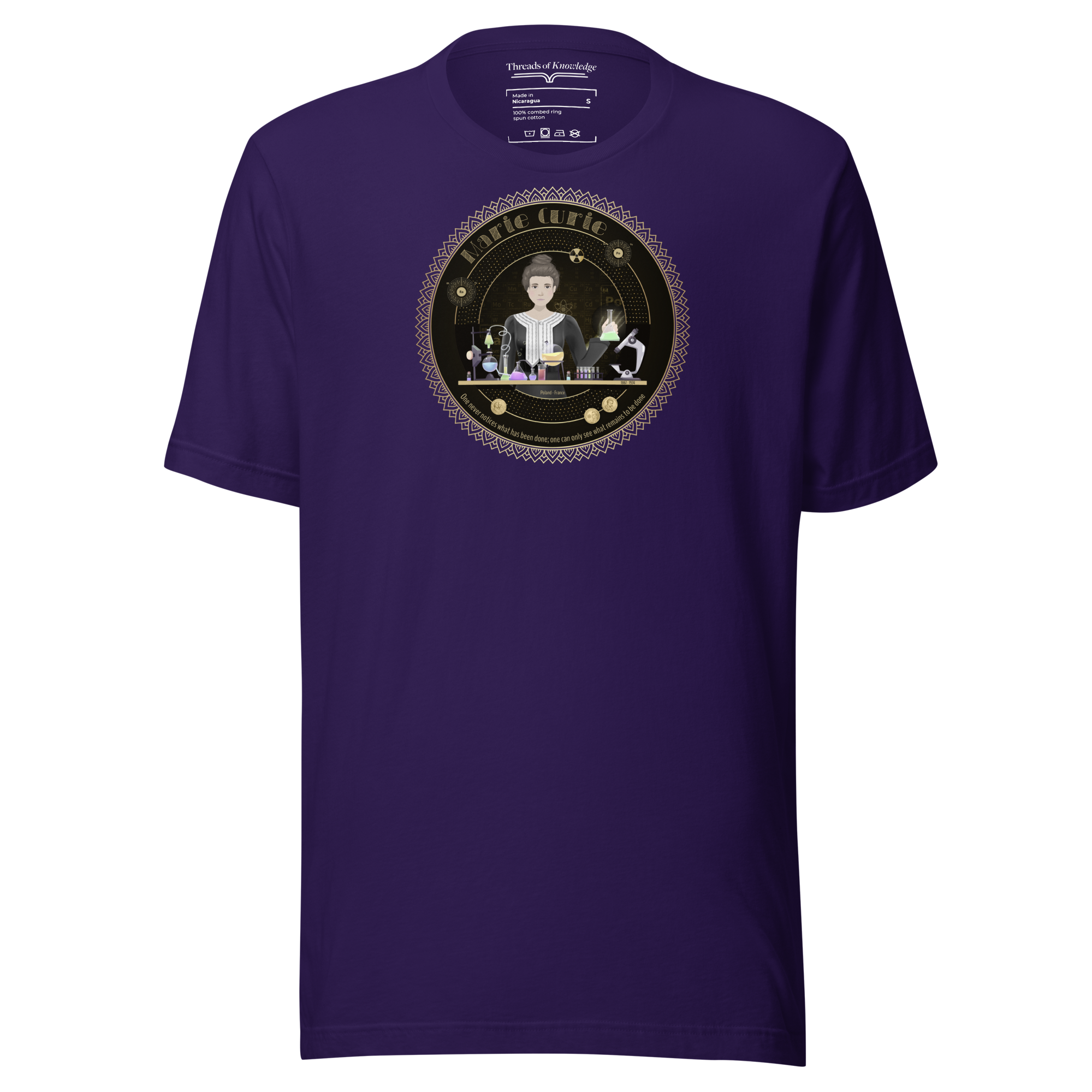
BADGE 1, Design 1 - Lace Border
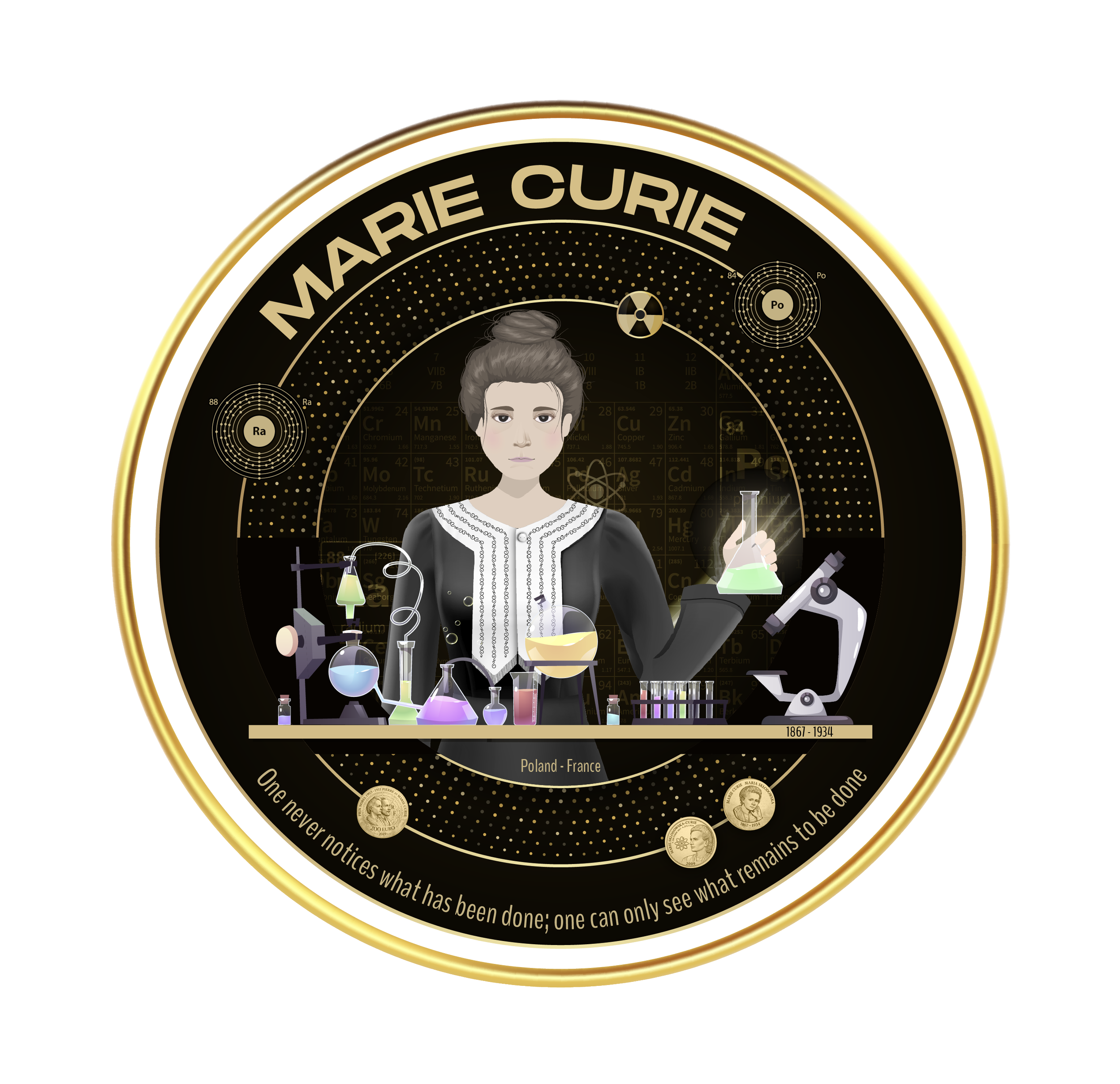
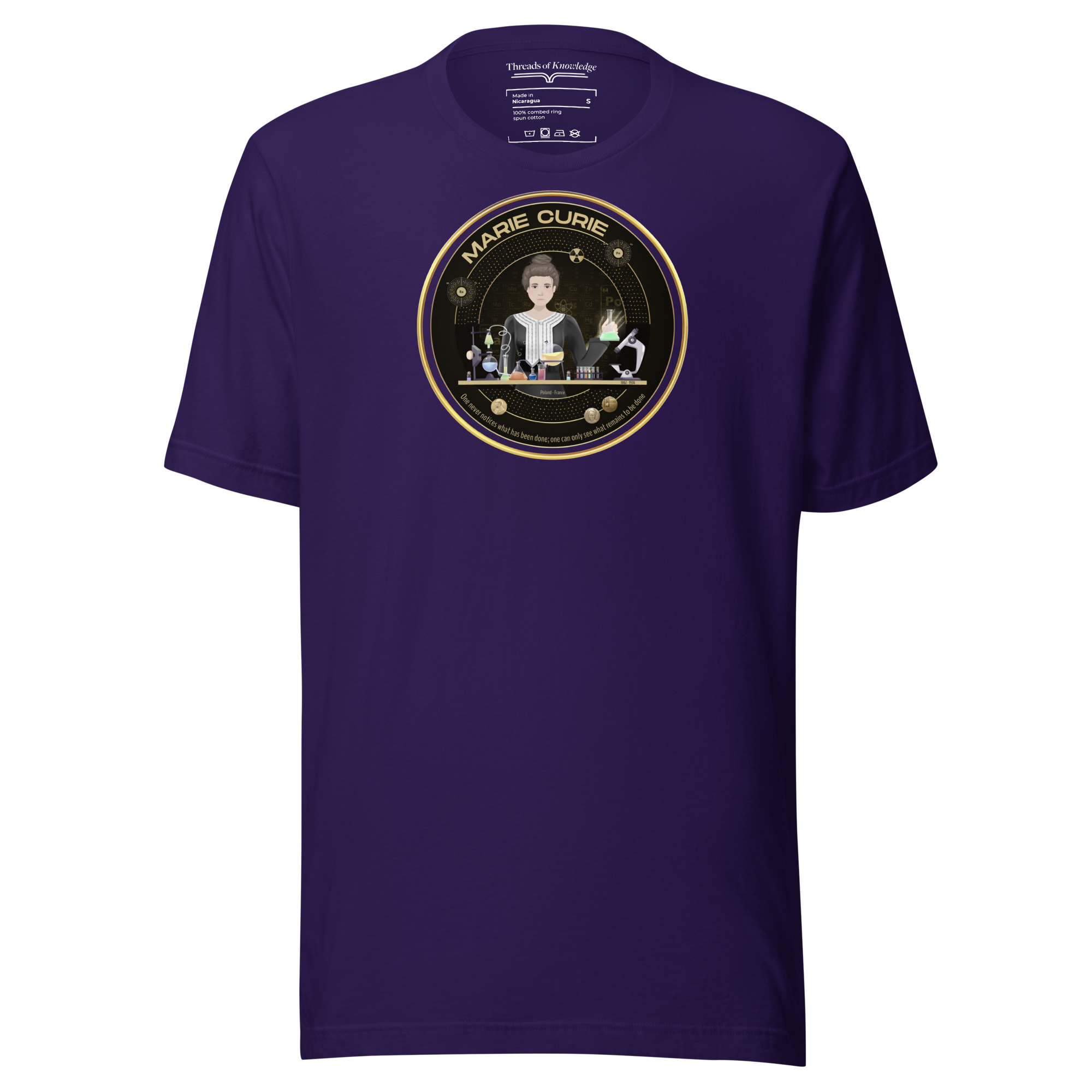
BADGE 1, Design 2 - Ring Border
BADGE 1, Design 1 & Design 2
What Remains to be Done
Description needs editing
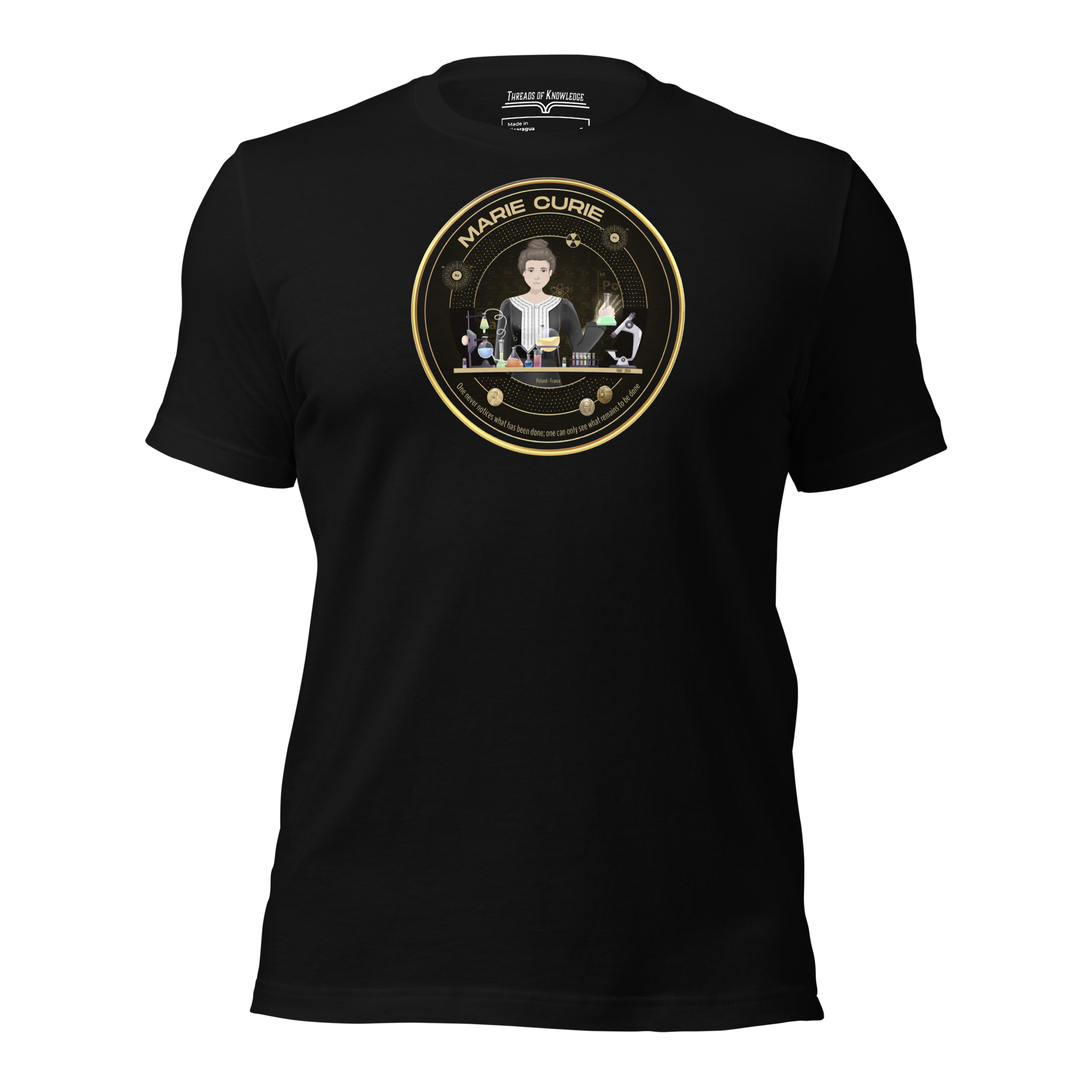
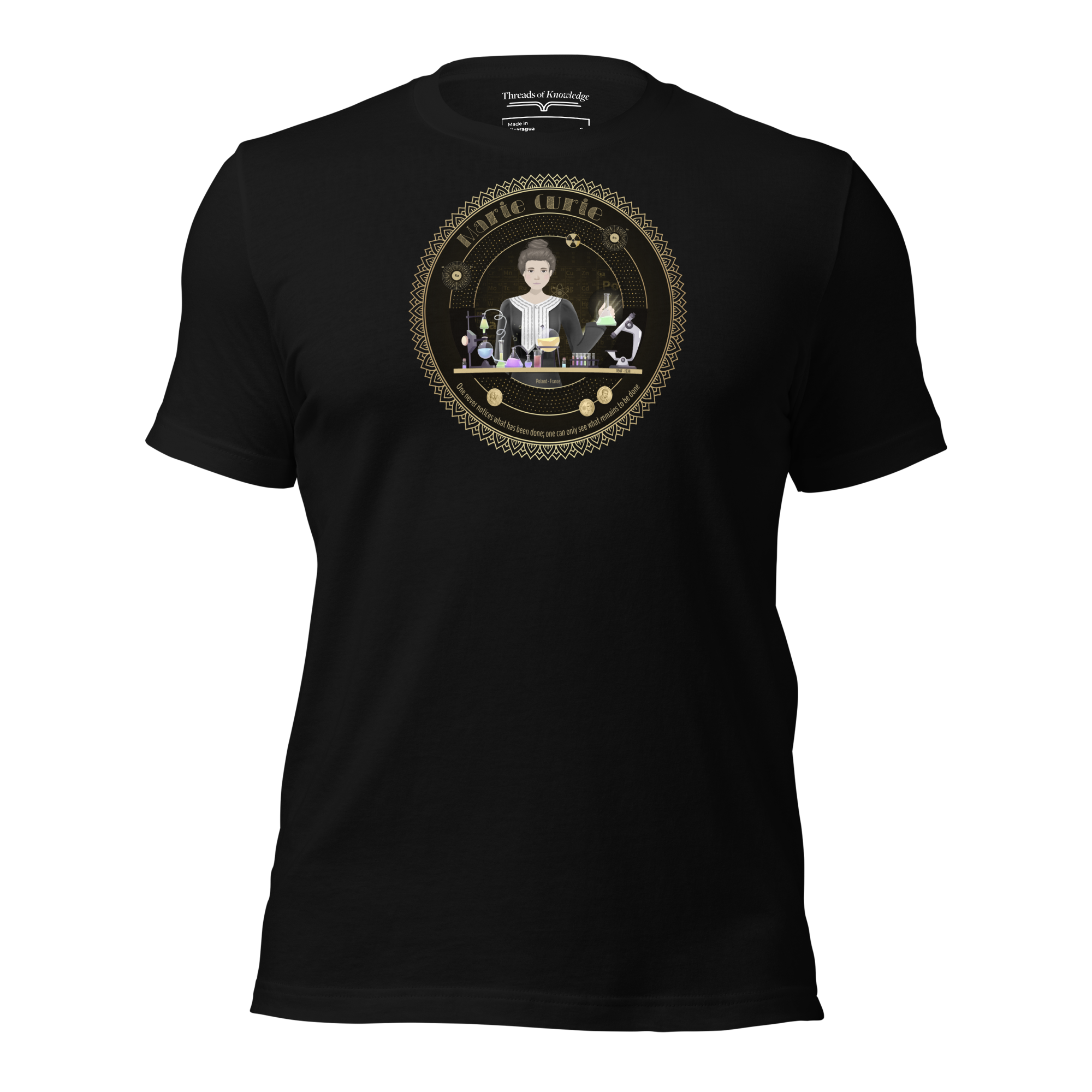
This Marie Curie badge is a stunning representation of Curie’s monumental contributions to science, intricately blending artistic and symbolic elements to honor her legacy. On badge design one the lace border encircling the badge evokes the delicate lace often seen on Curie's iconic black dress, symbolizing her grace and dedication to her scientific pursuits amidst personal and professional challenges. The badge features the chemical elements polonium (Po) and radium (Ra), which Curie famously discovered. These elements are elegantly displayed within the design, emphasizing her groundbreaking work in radioactivity that reshaped the understanding of atomic science. Electrons of the atom are represented by 2D images of commemorative gold coins minted in Curie’s honor: the 200 Euros Gold Coin, created by Christian Lacroix, and the 2009 Samoa 10 Dollar Gold Coin of the Cook Islands.
The badge also incorporates an X-ray symbol, a powerful nod to Curie's vital contributions to medical science, particularly her role in developing portable X-ray machines during World War I. This element symbolizes not only her scientific innovation but also her humanitarian efforts to apply science for the betterment of humanity. The quote, "One never notices what has been done; one can only see what remains to be done," captures Curie’s relentless drive for discovery and her forward-looking perspective on science and research. It reflects her beliefs in the ongoing pursuit of knowledge and the importance of perseverance, echoing her life’s work and the enduring impact she has left on the world.
This Marie Curie badge is a stunning representation of Curie’s monumental contributions to science, intricately blending artistic and symbolic elements to honor her legacy.
Notable badge elements:
Border:
Design 1 has a delicate lace border, an homage to Curie’s iconic black dress
Design 2 has a ring border
Chemical elements polonium (Po) and radium (Ra), famously discovered by Curie, reshaping the understanding of atomic science
X-ray of Curie, a powerful nod to her contributions to medical science, symbolizing her scientific innovation and her humanitarian efforts
Quote, capturing Curie’s relentless drive for discovery
Commemorative coins minted in Curie’s honor: 200 Euros Gold Coin, created by Christian Lacroix, and the 2009 Samoa 10 Dollar Gold Coin of the Cook Islands
Shop Our Products Below
What Remains to be Done
Hoodies, Badge Only
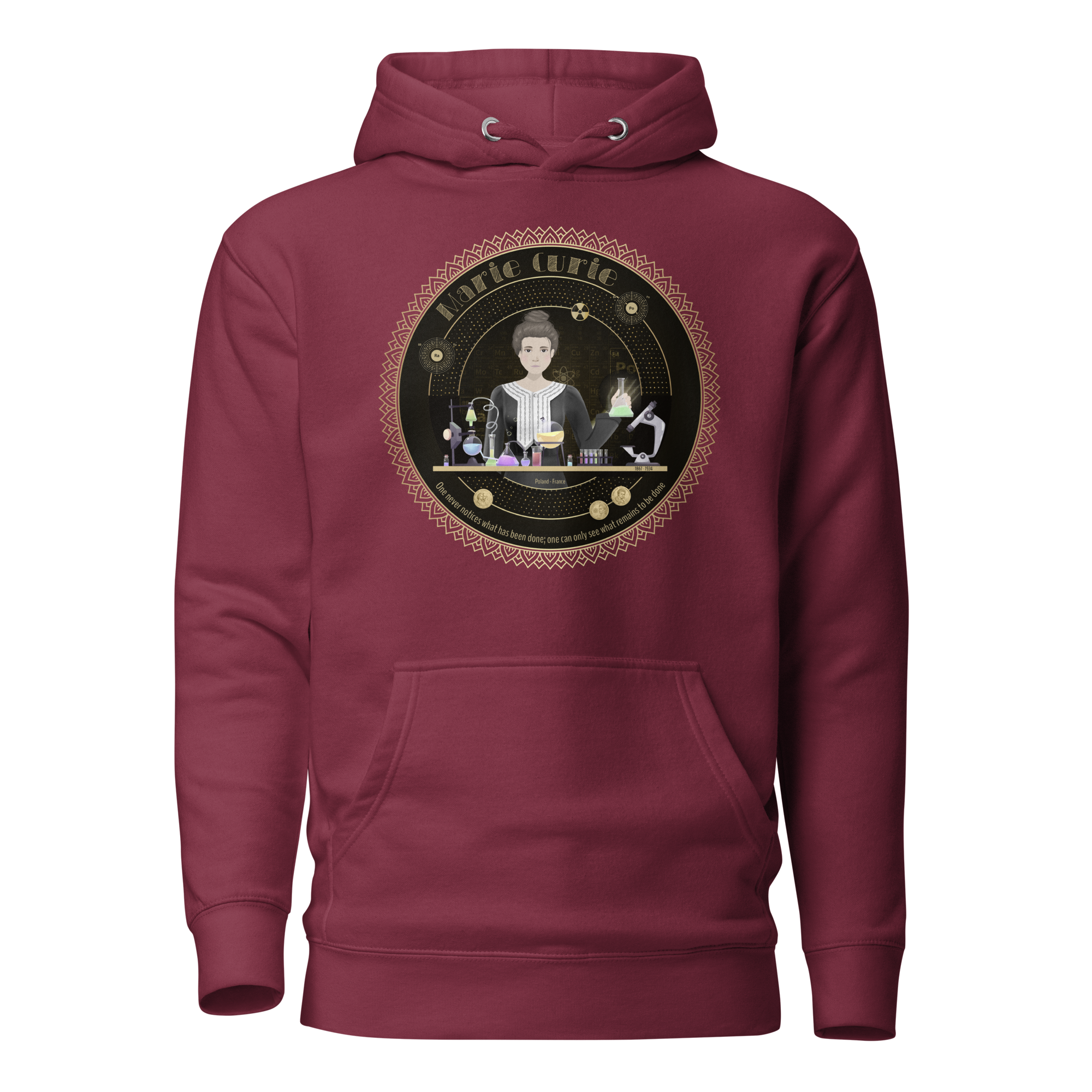
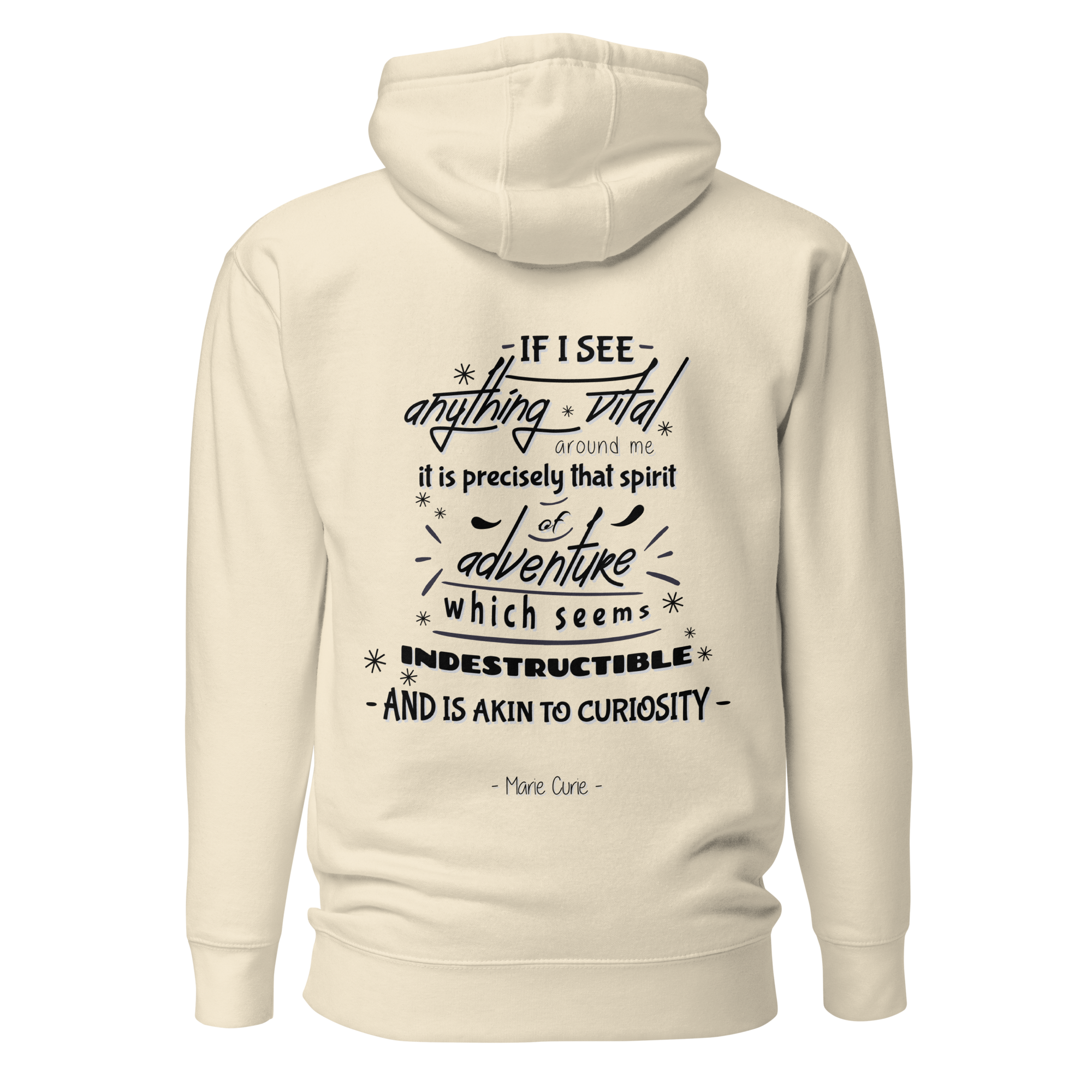
Hoodies with Badge and Quotes

Women’s T-shirts
Men’s T-shirts
Unisex T-shirts
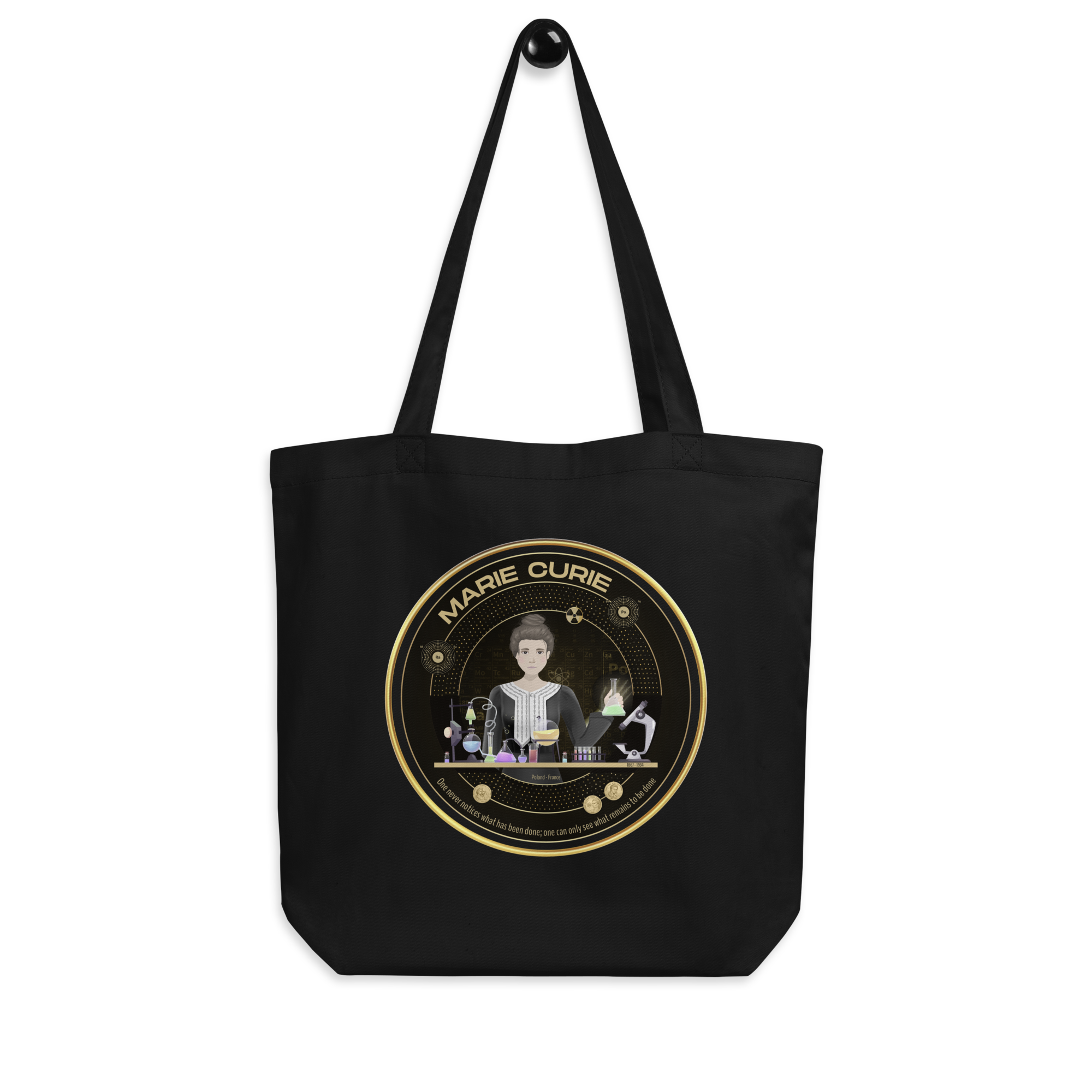
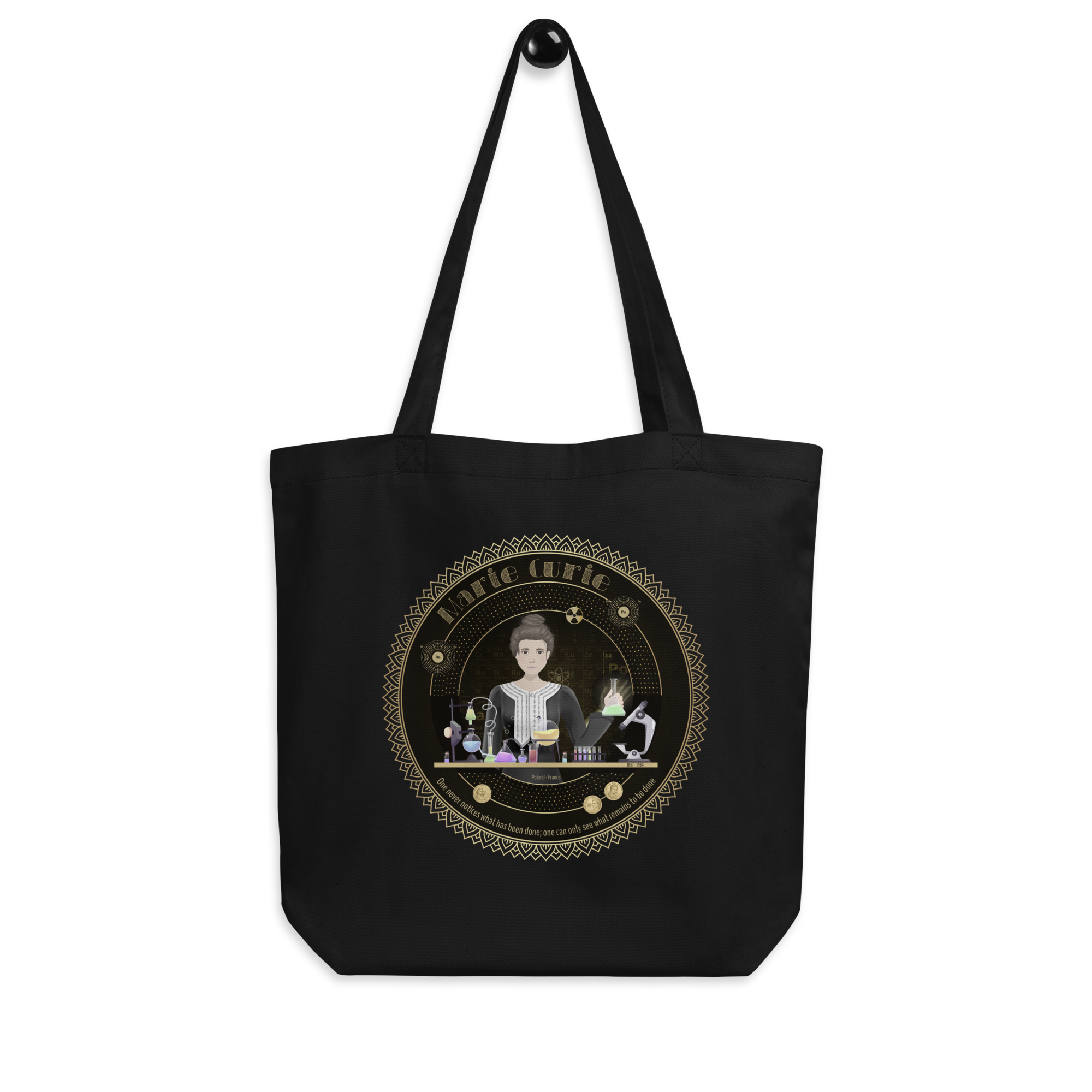
The Marie Curie badge is a stunning representation of her monumental contributions to science, intricately blending artistic and symbolic elements to honor her legacy.
Notable badge elements:
• Delicate lace border, an homage to Curie’s iconic black dress • Chemical elements Polonium (Po) and Radium (Ra), famously discovered by Curie, reshaping the understanding of atomic science • X-ray of Curie, a powerful nod to her contributions to medical science, symbolizing her scientific innovation and her humanitarian efforts • Quote, capturing Curie’s relentless drive for discovery • Commemorative coins minted in Curie’s honor: 200 Euros Gold Coin, created by Christian Lacroix & 2009 Samoa 10 Dollar Gold Coin of the Cook Islands
This badge is gracefully created. It reflects Curie’s belief in the ongoing pursuit of knowledge and the importance of perseverance, echoing her life’s work and the enduring impact she has left on the world.
________________________ Apparel details:
• 100% cotton face • 65% ring-spun cotton, 35% polyester • Front pouch pocket • Matching flat drawstrings • 3-panel hood
THIS HOODIE RUNS SMALL. We recommend ordering one size larger than your usual size.